Motorcycle Touring Gear Guide: What to Wear for Your Adventure
So, you have finally taken the plunge and booked up for a motorcycle tour. The date is in the diary, you’ve booked your time off work and you are excited as hell. But now comes the tricky bit – what riding kit do I need to take on the trip? At Ride Expeditions we are happy to give our riders all the advice they need to make sure that nothing is left back at home, but sometimes a good list is easier to follow. Clearly the kit you need will vary with the type of tour and the type of riding, but we’ll try to cover the different options. Either way – here is our Motorcycle Touring Gear Guide: What to wear for your adventure!
CHOICES, CHOICES!
With so many different options out on the market, then selecting the riding kit to bring or even buy before flying out for your adventure can be bewildering . Luckily our run leaders and support riders have been riding tours for years with their own kit and have seen first-hand both the good and the – less than good – clothing that our customers arrive in, so we’re pretty well placed to say what works and what doesn’t!
OUTER CLOTHING - WHAT TYPE OF TOUR ARE YOU GOING ON?
ADVENTURE BIKE TOURS
What you wear on an adventure bike tour is completely different to what you need for a dirt bike tour. With often long distances to cover on fast roads, gravel pistes and mud tracks then you need good quality purpose-built kit to offer you the best protection in all those situations.
We would always recommend textiles over leather for this type of tour as they are more flexible, easier to wear and comfortable for long days in the saddle. On tours like our World’s End tour in Patagonia, we travel over 3,000 km from the top of Chile to the bottom of Argentina, so you need kit that will be comfortable every day, won’t get waterlogged and refuse to dry out overnight if the weather is bad, and won’t go as stiff as cardboard when it does eventually dry out. Although leather jackets look cool, they rarely perform as well as textile clothing. The same goes for leather jeans.
JACKET
You will need a good quality jacket that fits well, and ideally is either fully waterproof, so that’s either a fancy-pants laminated jacket, or one that has removable waterproof and warmer layers – often called ‘three season’ jackets. Many of our destinations have a hugely variable climate so one minute it will be baking sunshine, the next fighting through snow. Your jacket needs to keep you comfortable in both!
Jackets should have integral removable armour on shoulders, elbows and back, and the fit on the jacket should be good enough to keep these in the right place, so don’t borrow a mate’s jacket if they are 5 stone heavier. If you don’t have integral armour in your jacket, then you can get the same protection from armoured undershirts from companies like Forcefield or Knox, but again these need to fit well to stay in place.

TROUSERS
As for the jacket, we’d recommend you go for textile trousers. Most will have integral knee pads, but we often prefer to remove these and go for separate shin and knee pads that strap to your legs, as they tend to stay in place far better. Or in the case of our rider and writer Julian, full Alpinestars Carbon Knee braces, but that’s because he was silly enough to snap his ACL on a dirt bike …
You riding trousers should go over your boots to keep out water and fasten round the ankle area securely, rather than flap about and risk getting caught on foot pegs, side stands and chains.

DIRT BIKE TOURS
Now although you can bring your adventure kit on a dirt bike tour , once you are battling along The Smugglers Trail in 30 degree heat on a Yamaha WR250F with the radiator close to boiling and sweat dripping in your eyes, then you may just regret bringing that full set of Touratech’s finest. With dirt riding and dirt trails often far more demanding and physical, then looser, lighter and less restrictive clothing is the way forward here.
TOP
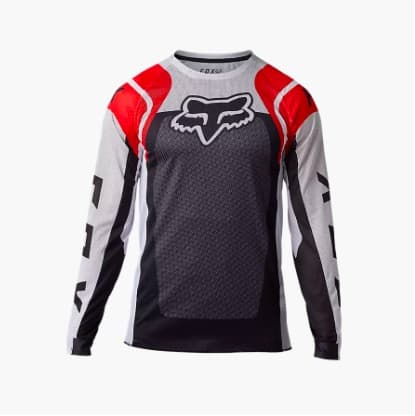
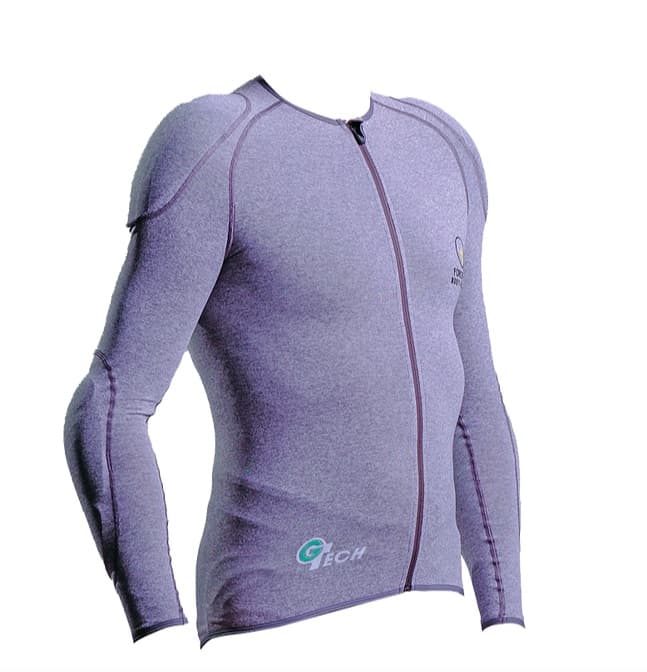
Given the need to keep air flow going, we’d generally go with a race style shirt as a top layer, rather than a full jacket. OK in slightly cooler climates and longer tours such as our Mongolian tours, an off road jacket with maybe removable arms will be a sensible choice, for full on dirt tours such as our epic adventures through Colombia then light is right. Under this, we would recommend you wear either a protective padded shirt – as mentioned from companies like Knox or Forcefield, or, if you want greater protection, armour such as the amazing kit from Leatt or Alpinestars. Look at some options and see what works for you, but please don’t just ride in a shirt with no protection – it’s not a risk we’d recommend and one you might regret.
TROUSERS
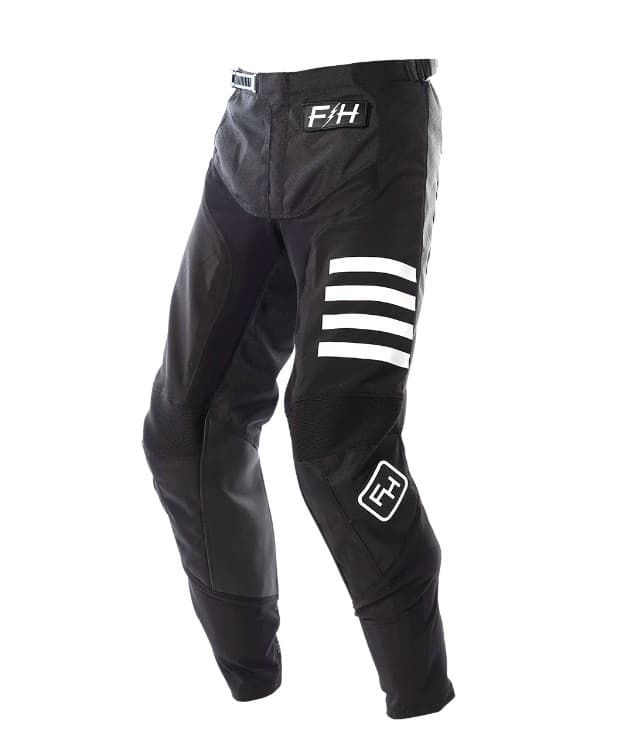
A couple of options here to consider. First off is motocross jeans, which will offer you all the flexibility and movement you need for tackling those tight and muddy jungle trails, without getting yourself too hot and sweaty. Motocross jeans usually go inside your boots, so are not great at keeping out water, but when it’s super hot and sticky, that’s not such a concern.
The other option to consider is enduro trousers, which tend to be a tad more hardwearing, are often waterproof and even have a pocket or two! Enduro trousers will usually go over your boots and hence are far better at keeping out water unless you are wading across a stream!
Both off road options should ideally be supplemented with knee and maybe hip protection so need to have enough room underneath to allow this without becoming tight and uncomfortable with bent knees.
ROAD TOURS
Although we mainly run tours that take in both tarmac and dirt, we do have some road only tours in South Africa and Vietnam, and of course our much loved Royal Enfield journeys in India. For these tours, although you could go for the full leather option, we’d tend to recommend that adventure style and textile kit is the most flexible and sensible choice. OK so if you’ve got a favourite leather jacket that’s been with you through thick and thin, then fill your boots Marlon. Just don’t come in a full set of race leathers and expect us to keep a straight face..
Oh and no matter how much your kit may claim to be waterproof, it rarely is if you are unlucky enough to face of torrential downpours or consistent rain for long peroids. Best to take a set of waterproof over trousers and a jacket as a back up, and these can also prove handy if it gets very cold. Best to have and not need rather than need and not have!


LOOKING FOR AN EPIC ADVENTURE?
HELMETS - WHAT WORKS BEST FOR THE RIDING YOU'LL BE DOING?
With the jacket and pants sorted, let’s look at crash helmets. It’s the one bit of kit that could actually save your life so it’s important that you have one that fits well and is suitable for the type of tour you have booked. Ok so it’s not a disaster if you wear a road helmet on a dirt bike tour, but a helmet that is designed for a MotoGP rider on race track may prove a tad hot and restrictive as you muscle a Honda CRF300L up a muddy hill in Laos!
Let’s look at the options.
ADVENTURE HELMETS
Just like adventure bikes, adventure helmets should be good for a variety of conditions from tarmac to gravel, mud to rocks. As such tend to be our go to choice for the vast majority of our tours and tour lead riders – this is not coincidence.
Adventure helmets will offer the same protection as road helmets, but have more space between the chin piece and your face which is great if it’s hot or you are riding in physically demanding conditions. They also have a large peak which is good for deflecting stones on the trails, although in windy conditions such as can occur on our World’s End Tour, having a large bit of plastic on the front of your helmet is a definite disadvantage
Adventure helmets often have a large aperture that will allow for goggles if that is your preference, and for helmets like the LS2 Pioneer or Explorer the visor will be able to close with goggles still in place, offering the best of both worlds.

ROAD HELMETS
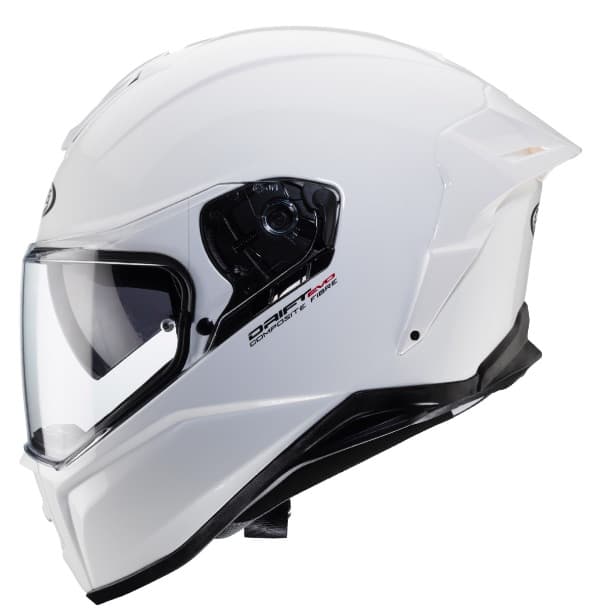
A conventional style road helmet will work for both adventure and road based tours , offering good protection and comfort for long days on the bike. With none of the aerodynamic challenges of an adventure lid, a road helmet will be better in cross winds, not to mention being much warmer and less draughty if you are chugging up Khardung La on an Enfield.
The introduction of internal tinted visors to both road and adventure helmets is a welcome one as it allows flexibility in riding conditions without constantly having to change visors or take sunglasses on and off. If your helmet doesn’t have one, it could be time to upgrade.
OFF ROAD HELMETS
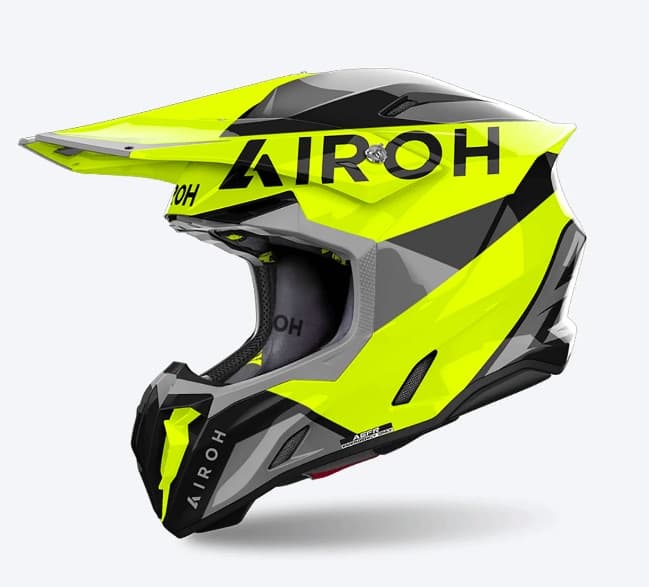
For our dirt bike tours, then a good off road helmet is perfect for the job, with a highly ventilated shell, plenty of space for goggles and lots of room behind the chin-piece to give you plenty of air when the going gets tough. OK so with a high peak and low chin-piece then off-road lids are not great at high speed on the road sections of the tour, but neither are the dirt bikes!
Off-road helmets rarely have visors so you will have to use some kind of protective eyewear. MX style goggles are the obvious choice for the most protection from stones, rain and dust and our choice every time, but some riders prefer safety glasses. Either way – don’t ever ride without eye protection, especially when off road.
Whichever helmet you choose, make sure it’s a good fit and relatively new. As a rule of thumb, if a helmet has a warranty of five years, then that’s how long you should keep it for before replacing …
BOOTS - PROPER PROTECTION FOR THE CONDITIONS AND RIDING
From the start we’re going to lay our cards on the table. Whichever tour you ride, whatever bike you are riding, we want our riders to be wearing proper motorcycling boots that come well above the ankle. Your feet are the closest to the ground when you are riding, and in the event of a slide are likely to hit the ground first and with some force.
ADVENTURE TOURS
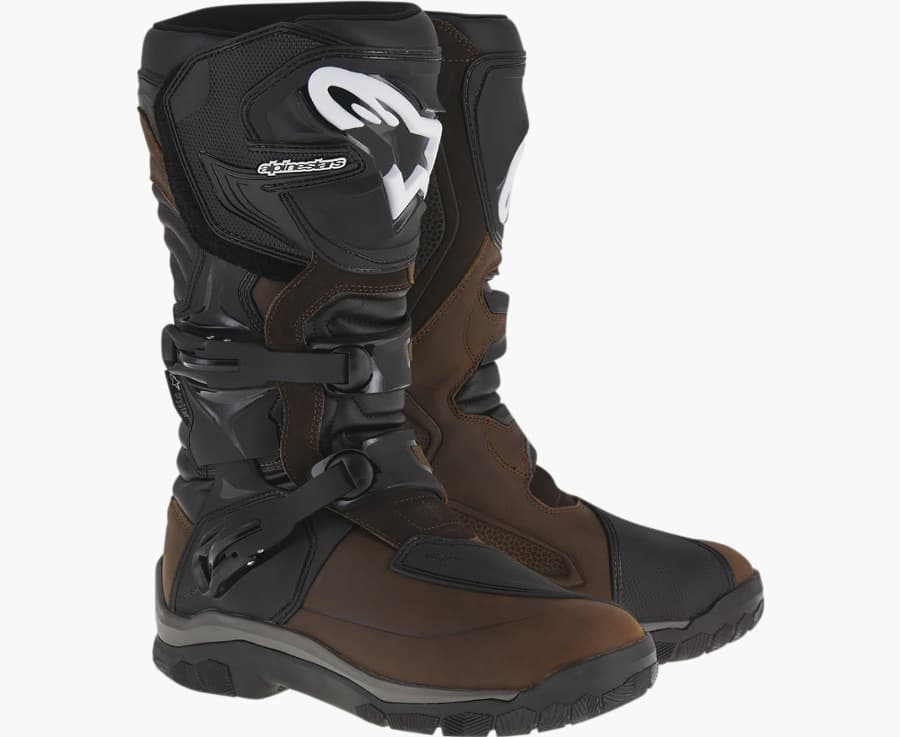
Unsurprisingly, adventure boots are the obvious choice here as they are all-day comfortable, offer plenty of ankle support and lower leg support and, if you push the budget a bit, fully waterproof. When you are going to spend a good proportion of your time standing on the pegs, then thick and grippy soles are essential, as it is a good fit around your ankle and calf to hold your legs securely and give you good bike control. While road boots might seem ok when are sat down and on the tarmac, as soon as the going gets rough, those thin soled babies are going to make as much sense as hill walking in flip flops.
Top of our list for adventure boots would be Sidi Adventures, but a close second are Alpinestars Drystar Corozal.
DIRT BIKE TOURS
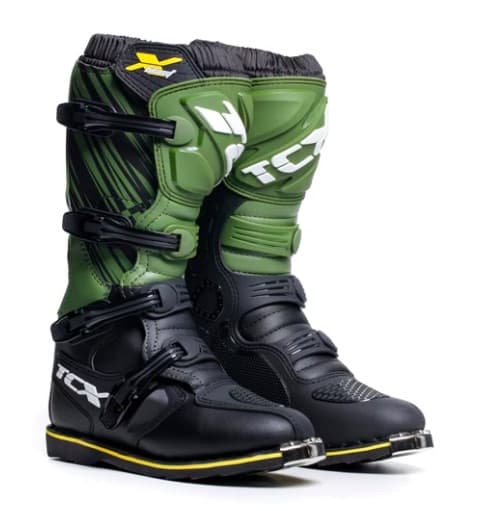
So we’ve tried a number of options here from full on motocross boots to adventure boots and enduro boots. They are all sensible options and will perform well in a range of conditions from the flat out dirt roads in Cambodia to the open plains of Mongolia. But full on motocross boots can be a tad too stiff and uncomfortable for all day riding, and although boots like Alpinestars Tech 10s look drop dead gorgeous, lack enough grip if you are trying to walk a bike through a slippery stream in the jungle! Our favourite choice is in the middle with an enduro style boot, or full height adventure boot, so that’s a dead heat between Sidi Adventure and Alpinestars Tech 7 Drystar. Both are as tough as a mongoose with a flick knife, and fully waterproof – job done.
ROAD BIKE TOURS
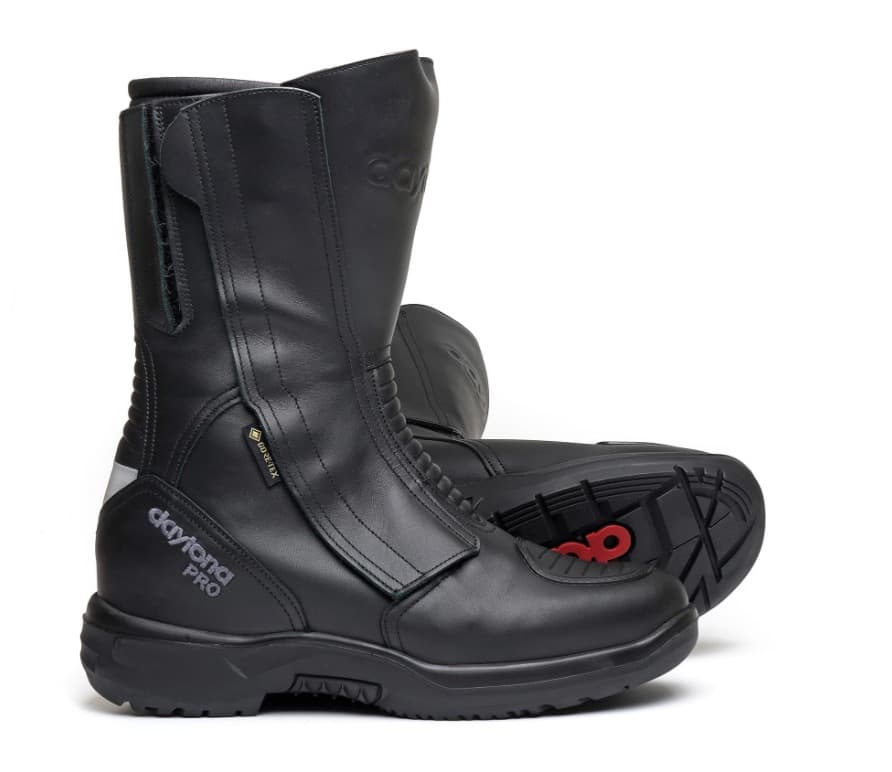
If you’ve picked a road tour, then it’s probably not necessary to invest in a £300 pair of dirt bike boots, so a decent set of road bike boots will be just fine. Make sure they are waterproof as wet feet are never welcome, and having some decent ankle support and protection is a must. There are numerous choices out there, but if you want the best, Daytona comes pretty close.
GLOVES
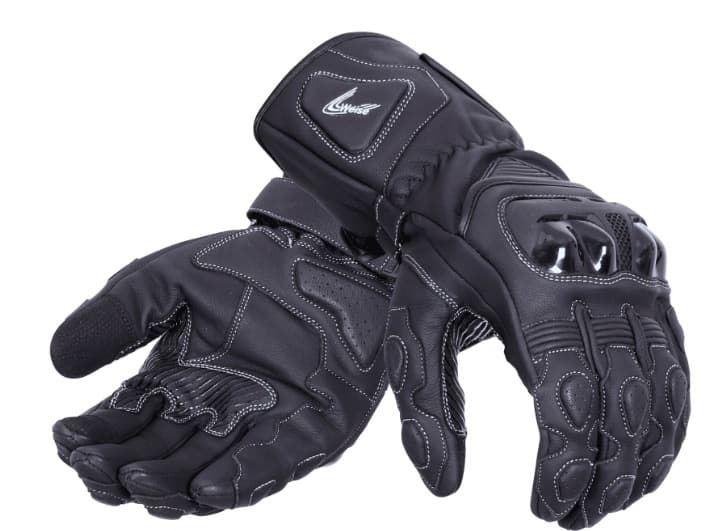
OK we are not going to split things all out for each tour type, as gloves tend to be strangely personal. Generally, we’d recommend leather gloves over anything else for any tours involving large amounts of tarmac, so that’s adventure and road tour covered. The colder the conditions the thicker the gloves need to be, but with tours that can have extremes of conditions from day to day, we tend to double up with a warmer or cooler pair in our rucksack. And for the really cold days, battery powered heated gloves are a guilty pleasure you won’t regret.
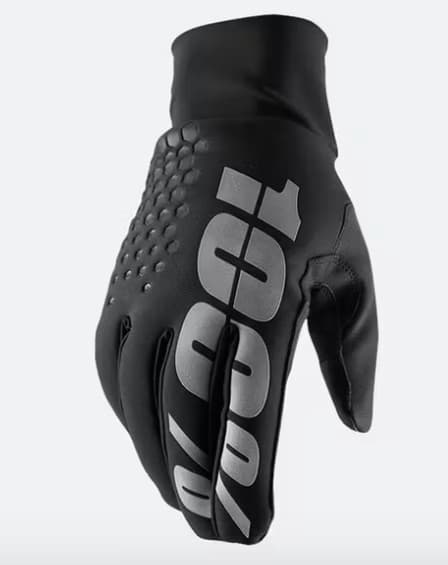
For dirt bike tours then textile gloves are more suitable, so that’s MX or enduro gloves. But for pure off road, our favourite are the very comfortable and well protected Mechanix Impact gloves. OK to finish – here’s a few more motorcycle tour essentials
NECK TUBE
Neck tubes are without doubt the best addition to a motorcycling kit in over fifty years. In cold conditions they will keep out the wind and can easily be doubled up if it’s really parky. In hot conditions they will protect from flies and dust, not to mention keeping the sun off your neck while you are riding. Hell, they can even be used as a makeshift hat for those short of hair! Genius

SKULL CAP
A useful addition to your riding kit, a skull cap will keep your helmet fresher and cleaner as it’s far easier to wash out at the end of the day then pulling out the lining!
BASE LAYERS
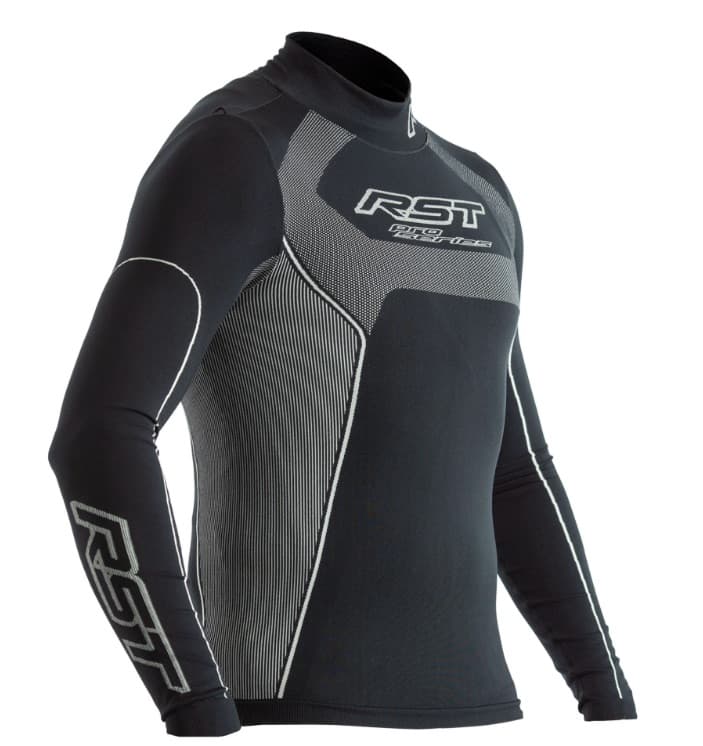
In the same way that a skull cap prevents your helmet from getting hot and sweaty, wearing base layers under your riding kit does the same. On a long tour, riding the same kit every day can make your riding kit progressively less pleasant, but if you take a couple of sets of base layers then you can keeps things far fresher. Even if you only take one set, base layers are easily washed and dried out overnight, and will keep you warmer when things get chilly. What’s not to like?
And finally …
HEATED GILET
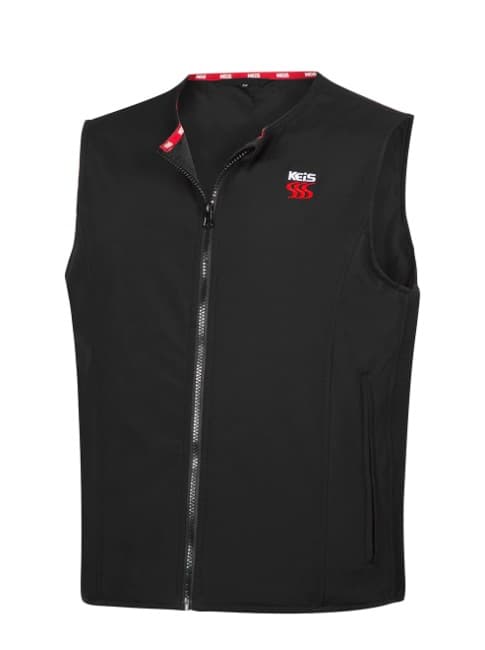
Just one thing to say here. Game changer!